
Root Canal Procedure: Step-by-Step Guide from Diagnosis to Recovery
Scheduling a root canal procedure in your area can often feel overwhelming, especially if you do not know what to expect during your visit. Feeling nervous about an unfamiliar dental procedure is completely normal.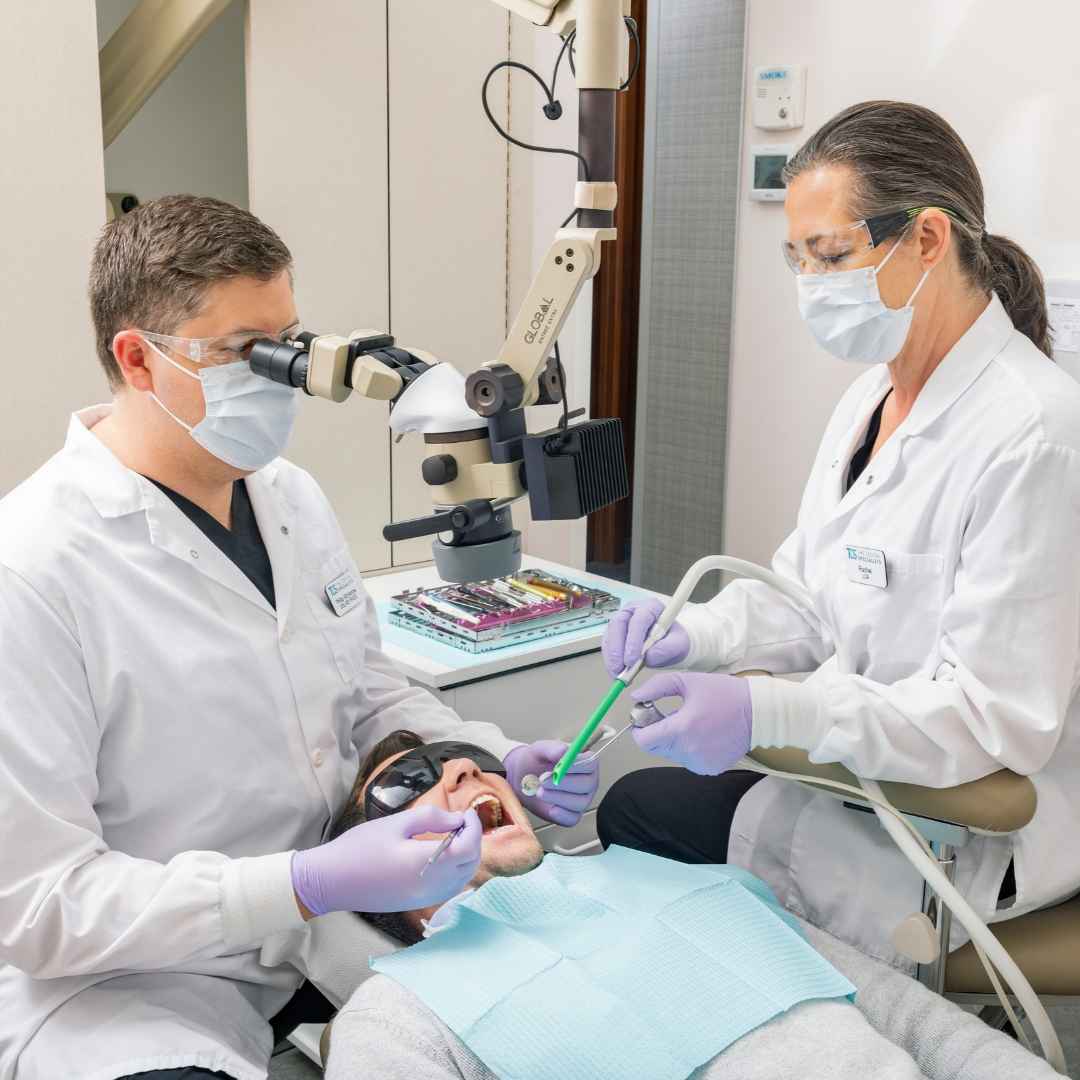
Fortunately, understanding each step of the process can go a long way toward easing your worries. Modern dental practices, like The Dental Specialists, use gentle techniques and advanced technology to keep you relaxed and comfortable throughout your visit.
In short,
- Today's advanced treatments are designed to relieve deep dental pain, not cause it.
- Most patients find the experience feels very similar to getting a routine cavity filling.
- Local numbing ensures you stay completely comfortable throughout your appointment.
Before Your Appointment
Preparing for your visit doesn't have to feel overwhelming. Taking a few simple steps before you arrive can help ease your mind and set you up for a smooth, comfortable appointment.
These quick preparations ensure you feel relaxed, informed, and in control of your care from the moment you walk through our doors.
Understanding Your Diagnosis
Deep inside each of your teeth is a soft, sensitive area known as the pulp, which contains vital nerves and blood vessels. When severe decay or a crack penetrates this deep inner chamber, bacteria can cause pain.
According to the Mayo Clinic, to save your natural tooth and prevent or treat an infection, a root canal procedure near you is often the most effective treatment option.
Preparing at Home
Taking a few simple steps before you arrive helps ensure a safe, comfortable, and stress-free visit.
- Eat a normal, balanced meal. Staying nourished helps keep your blood sugar stable and keeps you comfortable.
- Take your daily medications as scheduled, and call us before your visit if you have questions about how they affect your treatment.
- Prioritize a good night's rest. Getting a full night of sleep before your appointment helps calm your nervous system and ensures you feel refreshed and relaxed.
What Happens During Your Visit
Our care team will guide you through each step of your procedure so you know exactly what to expect.
Numbing and Comfort
We focus on your comfort and peace of mind from the moment you sit in our chair.
- We begin by applying a topical numbing gel to soothe your gums.
- Next, we use a local anesthetic to make sure you stay completely comfortable and pain-free.
- We will always make sure your tooth is completely numb before we begin.
Cleaning the Infected Pulp
A root canal procedure near you is a routine treatment that removes infected or damaged tissue from deep inside your tooth. Removing this tissue prevents infection from spreading, relieves your pain, and helps save your natural tooth.
To keep the area clean and dry, we start by placing a protective dental dam around your tooth. We then create a small opening in the top of your tooth to access the inner pulp. From there, we gently remove the damaged tissue and thoroughly clean the root canals.
Sealing and Protecting the Tooth
Sealing the cleaned root canals is a critical step to prevent new bacteria from entering the tooth. To do this, we fill the empty space with a flexible, biocompatible material and a sealing paste.
Once the canals are sealed, we close the access opening with a temporary or permanent filling. Finally, we will discuss next steps for placing a protective crown, if needed, to fully restore your tooth.
Immediately After the Procedure
As your anesthesia wears off, taking a few simple steps will help keep you comfortable and support your recovery.
Managing Initial Sensitivity
It is normal to feel mild soreness in your jaw, gums, and treated area as the numbing wears off. Over-the-counter pain relievers can help keep you comfortable during the first night. You can also apply a cold compress to your cheek to ease any minor swelling.
Eating and Drinking Guidelines
To protect your tooth as it heals, wait to eat until your numbness completely wears off. Stick to soft foods like soup, yogurt, and mashed potatoes on your first day. Avoid chewing hard, crunchy, or sticky foods on the treated side of your mouth.
Rest and Gentle Care
Resting and treating the area gently will help you recover smoothly. Get a good night's sleep tonight, and feel free to return to your normal daily activities tomorrow. When cleaning your teeth, brush and floss gently and avoid scrubbing near the treated site.
Recovery Timeline
Follow this day-by-day timeline to monitor your recovery and ensure proper healing.
Days One Through Three
Focus on resting during the first few days to help your body heal. Any initial soreness should steadily fade each day. Antibiotics are needed after only a small percentage of root canal treatments. If your doctor prescribes you an antibiotic please take it exactly as directed, and slowly return to regular foods as you feel comfortable.
Days Four Through Seven
As your mouth continues to heal, you can gradually transition back to your daily routine. The gum tissue around your tooth should begin to look and feel healthy again. This is also the time to resume your normal brushing and flossing habits and attend your scheduled follow-up visit.
Long-Term Healing
As your recovery finishes, the focus shifts to protecting your tooth for the future. Placing your permanent crown restores your full chewing strength and helps your tooth function comfortably.
This final step ensures your smile stays healthy and pain-free for years to come.
Tips for the Best Outcome
Following these simple daily habits can help ensure your mouth heals smoothly and your treated tooth stays strong.
Practice Consistent Oral Hygiene
Keeping your mouth clean is the best way to protect your healing tooth and prevent future issues.
- Brush your teeth twice daily with a soft-bristled toothbrush.
- Floss carefully every single day to remove plaque.
- Use an antiseptic mouthwash to keep your mouth fresh.
Attend Routine Dental Checkups
Regular dental visits allow your dentist to monitor your healing tooth and keep your smile healthy. Scheduling cleanings every six months helps your provider catch and treat minor issues before they turn into bigger problems.
Frequently Asked Questions (FAQ)
Find answers to common questions about root canal therapy, recovery, and what to expect during your procedure.
Do I Need a General Dentist or an Endodontist (Root Canal Specialist) For A Root Canal Procedure Near Me?
While some general dentists perform basic root canals, seeing a board-certified endodontist ensures your tooth receives specialized expert care. Endodontists complete two to three additional years of advanced clinical training after dental school focused exclusively on diagnosing complex tooth pain, preserving natural teeth, and mastering delicate root canal procedures.
What Type of Local Anesthesia or Comfort Options Will You Use During My Visit?
Your provider will thoroughly numb the tooth and surrounding gum tissue using a local anesthetic so you do not feel pain during the procedure. If you experience dental anxiety, ask about additional comfort options such as nitrous oxide (laughing gas), oral conscious sedation, or IV sedation to help you stay relaxed throughout your appointment.
Will I Need a Dental Crown Placed Immediately, or Can We Wait Until a Later Appointment?
A crown is the preferred restoration for premolar and molar teeth that receive root canal treatment. The purpose of the crown is to seal the inside of the tooth from bacterial ingress and to protect the tooth from fracturing. We will place a temporary filling in the tooth at the end of your root canal procedure. You will then return to your dentist a few weeks later for your permanent crown once the area heals.
How Long Should I Expect Mild Sensitivity to Last After a Root Canal Procedure Near Me?
Mild soreness, tenderness, or jaw stiffness is normal for a few days to a week following a root canal procedure near you. This post-procedure discomfort can usually be managed easily with over-the-counter pain relievers like ibuprofen and acetaminophen.
What Specific Foods Should I Avoid While My Tooth Heals Over the Next Few Days?
Wait until your numbness wears off before eating or drinking hot liquids to avoid burns or biting your cheek. Until you get your permanent crown, avoid chewing on the treated tooth. Also steer clear of hard, crunchy, or sticky foods that could damage your temporary filling.
What Signs Of Trouble Should Prompt Me to Call Your Office Right Away?
While mild sensitivity is expected, you should contact your dentist or endodontist immediately if you experience severe pain or visible swelling.
Schedule A Root Canal Procedure Near You in the Twin Cities
Understanding what to expect from diagnosis to full recovery takes the fear out of scheduling a root canal procedure near you. Modern techniques make the experience comfortable and straightforward, helping you relieve pain while preserving your natural tooth.
By following your care team’s instructions and practicing good oral hygiene, you’ll heal smoothly and protect your smile for years to come.
If you’re experiencing tooth pain or have been told you need a root canal, don’t wait. Reach out to The Dental Specialists at a location near you, or use our online appointment request form to schedule your appointment and start your journey toward lasting relief and a healthier, pain-free smile.
SOURCES